
A steel building needs real maintenance, just less of it than most other construction types, and the maintenance that matters most is simple: look at it regularly, and fix small problems before they become big ones. We already publish the interval schedule — annually, every 2 to 3 years, every 5 to 10 years — in our lifespan article. This one is about what to actually do at each of those checkpoints, what a real problem looks like when you find one, and when to call someone instead of handling it yourself.
What am I actually looking for on the roof and walls?
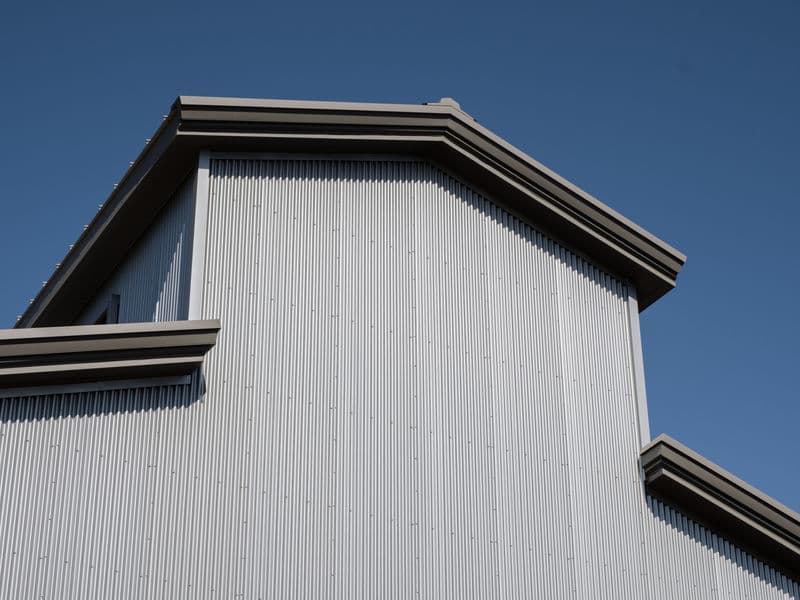
Walk the perimeter and, if it is safe to do so, get eye level with the roof. You are looking for three things: chalking (a dull, powdery residue on the painted surface, a normal sign of coating aging, not usually urgent on its own), fading or color change (cosmetic, but worth tracking if it is uneven, which can point to a coating problem in one spot rather than overall age), and scratches or gouges down to bare metal (this one is not cosmetic — any spot where the coating is broken through to raw steel is where corrosion starts, and it is worth touching up promptly rather than waiting for the next scheduled inspection). For the coating science behind why this matters, see our Galvalume AZ55 article.
Also check for oil-canning — a visible waviness in a flat panel section, usually cosmetic and related to the panel’s own manufacturing tolerance rather than a structural issue, but worth noting if it appears suddenly rather than being present since installation.
What does a fastener problem actually look like?
Panel fasteners loosen slowly, over years, from thermal expansion and contraction cycling the panel against the screw hole. You are looking for a fastener head sitting slightly proud of the panel surface, a faint rust streak running down from a fastener (a sign water is getting past the washer), or a panel edge that flexes slightly when pressed. A loose fastener is a five-minute fix with a screw gun if caught early; left alone, the enlarged hole eventually lets water in, which is a bigger repair. Check fasteners at the eaves and corners first — wind uplift concentrates stress there, which is also why wind rating matters in the first place; see our wind load article for why those areas see the most stress.
Sealants and weatherstripping: what “bad” looks like
Sealant around doors, windows, and panel laps fails by cracking, shrinking away from the surface it is bonded to, or turning brittle and chalky. Press a sealant bead with your thumbnail — if it is still pliable, it is fine; if it cracks or crumbles, it needs replacing. This is a genuinely easy DIY task with a caulking gun and the right sealant for your panel material, and it is worth doing proactively rather than waiting for a leak to tell you it failed.
Gutters and drainage: the maintenance people skip
Clogged gutters and downspouts do not just cause a mess — they push water back up under the roof edge or dump it against your foundation instead of away from it, which works against everything a properly graded site is supposed to do. Clean gutters at least twice a year, more often if you are near trees, and confirm downspouts are actually directing water away from the foundation, not just off the roof.
Seasonal maintenance: what changes with the weather
Spring: This is the inspection to catch winter damage — ice buildup, wind events, and freeze-thaw cycling can loosen fasteners and stress sealants in ways that are easiest to spot once the weather warms up. Clear gutters of winter debris and check for any damage from snow or ice loading.
Summer: Heat is when coating and sealant degradation shows up most visibly — UV exposure accelerates chalking and sealant brittleness. This is a good season to do any touch-up painting, since most coatings cure best in warm, dry conditions.
Fall: Clear gutters again before winter, and do a full fastener and sealant check before cold weather sets in — anything loose now will only get worse through a freeze-thaw winter.
After any major storm, any season: Do not wait for your next scheduled check. High wind and hail are exactly the conditions that cause the kind of sudden damage — bent panels, popped fasteners, torn trim — that a routine inspection would otherwise catch months later.
DIY vs. call a professional
Reasonable to DIY: tightening visible fasteners, cleaning gutters, replacing failed sealant at ground level, touch-up paint on small scratches, general visual inspection.
Call a professional: anything requiring roof access on a steep or tall building — a tall sanctuary roof is a common example — structural bolt inspection, any repair after visible framing damage, and any insulation or interior work if your building is conditioned. If you are not confident walking your own roof safely, that is reason enough to call someone who does it regularly.
What good maintenance actually buys you
None of this is about babying the building — steel buildings are durable specifically because they need less maintenance than wood-framed construction, not because they need none. A building that gets a real annual look and prompt small fixes will consistently outperform an identical building that gets ignored until something visibly fails. The cost difference between the two, over decades, is not close.
If you have a maintenance question about your specific building — something you are seeing that you are not sure about — call us at (888) 460-9294 or email estimating@northcraftsteel.com. We would rather answer a quick question than have you guess wrong.